
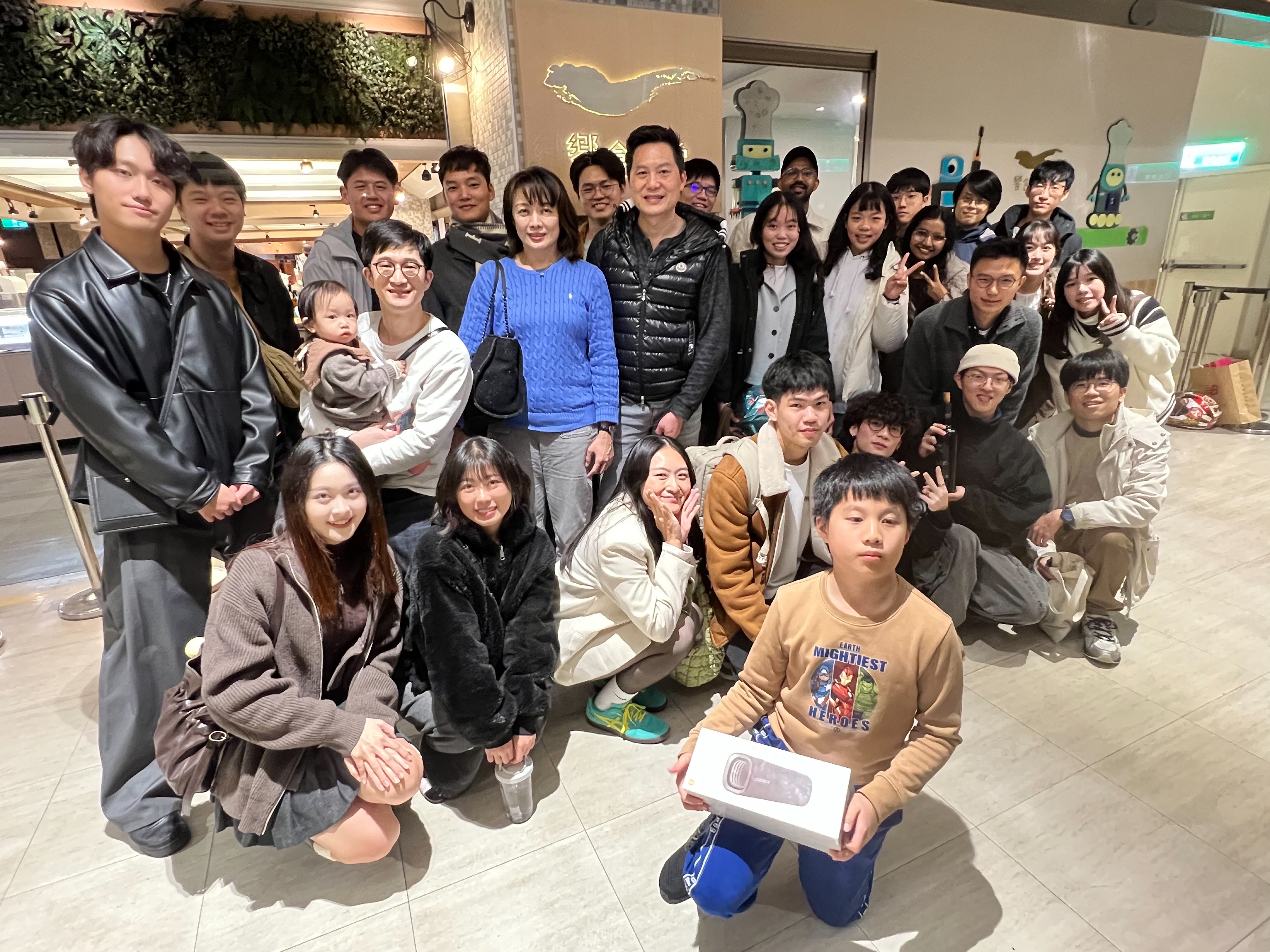
超穎材料及奈米元件實驗室 (Metamaterials and Nanodevices Lab, MaN Lab)
我們是國立清華大學材料科學與工程學系下,由嚴大任教授帶領的研究團隊。MaN Lab 的名稱蘊含著「以人為本」的意涵,象徵著我們相信任何科技的進步與創新,最終都是建立在人類的存在與需求之上。本實驗室專注於前瞻性的超穎材料與奈米元件研究,結合理論與應用,探索奈米尺度下的新穎物理現象與跨領域應用。 在應用研究方面,MaN Lab 致力於開發先進光譜技術:例如透過表面增強拉曼散射 (Surface Enhanced Raman Spectroscopy, SERS) 檢測蛋白質,實現疾病早期診斷的潛力;以及探針增強拉曼散射 (Tip Enhanced Raman Spectroscopy, TERS) 進行樣品分析,藉由特殊設計的探針突破光學解析度極限,成為近場觀測的重要工具。除了這些應用外,我們也使用模擬軟體設計超穎材料結構,開發高靈敏度的氣體感測器,該技術有望在環境監測、工業檢測及安全防護等領域中發揮重要作用。此外,我們亦響應聯合國永續發展目標 (SDGs),開發高熵合金複合系統以應用於綠能相關研究,如氫能產生與二氧化碳降解,展現奈米材料在永續科技上的關鍵價值。
Raman Spectroscopy & Biosensors
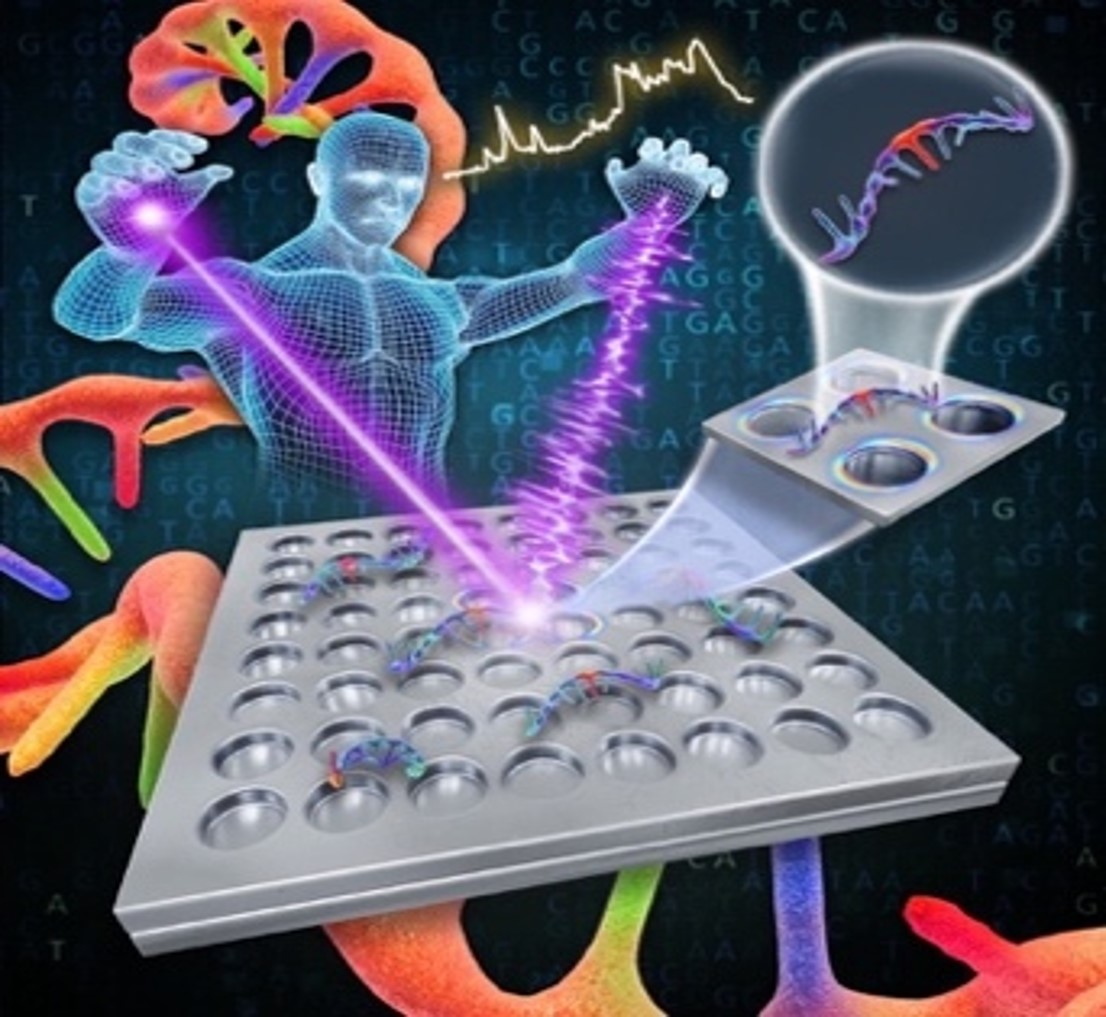
Electromagnetic and Chemical mechanism Dual-Enhancement SERS Substrate Based on Au Metasurface/WTe2 film for Ultrasensitive, Electrically Modulated Selective Detection
--
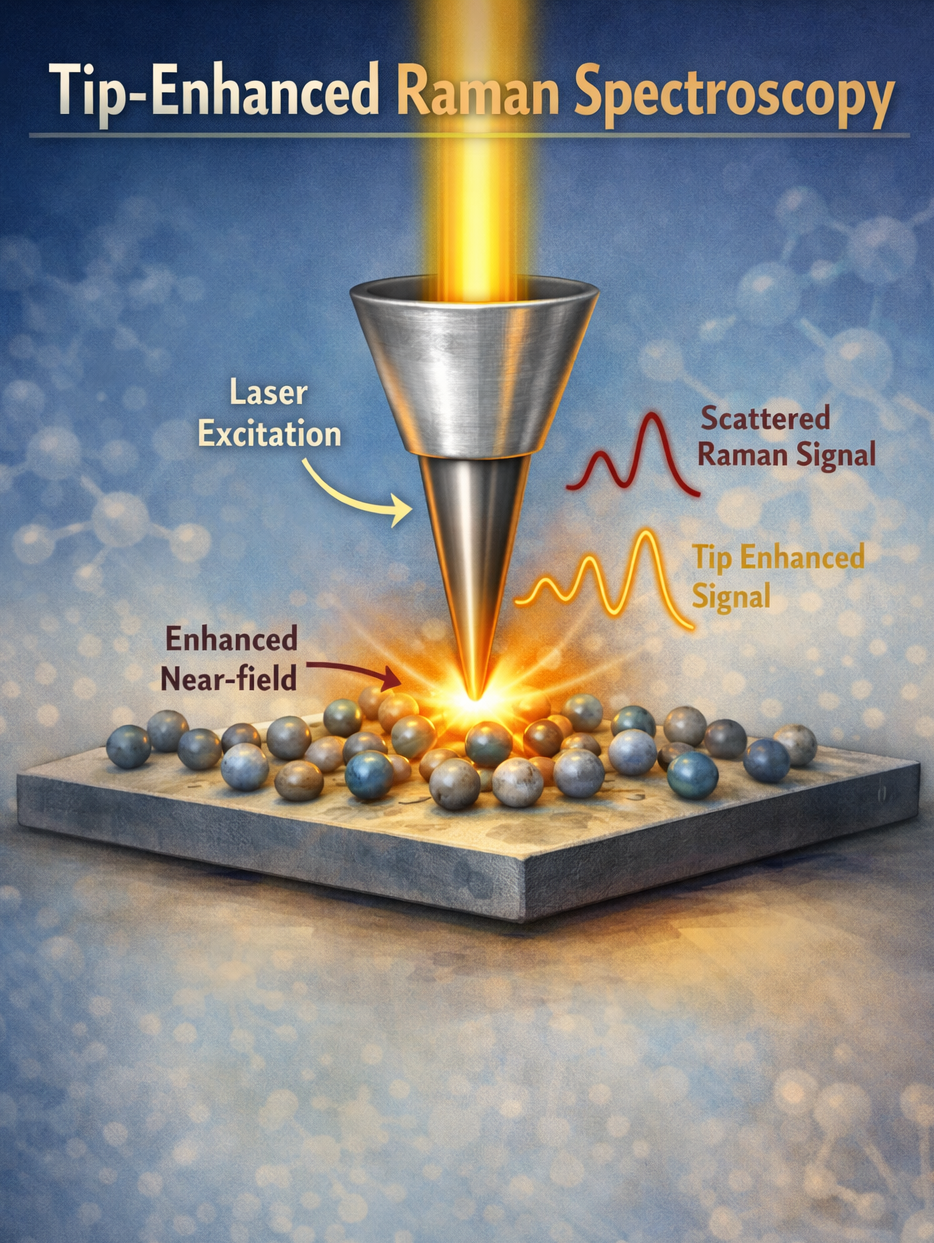
A Unique TERS System for Versatile Nanoscale Analysis
Our tip-enhanced Raman spectroscopy (TERS) sytem offers a distinctive approach for nanoscale chemical imaging. The interior-illuminated design launches surface plasmon polaritons along a metal-film-coated quartz probe through specially engineered patterns. While the Raman signal is collected from the side, this unique configuration greatly expands sample compatibility, removing the usual restriction to transparent substrates like conventional bottom-collection TERS, and opening new opportunities for studying a wider range of real materials and devices.
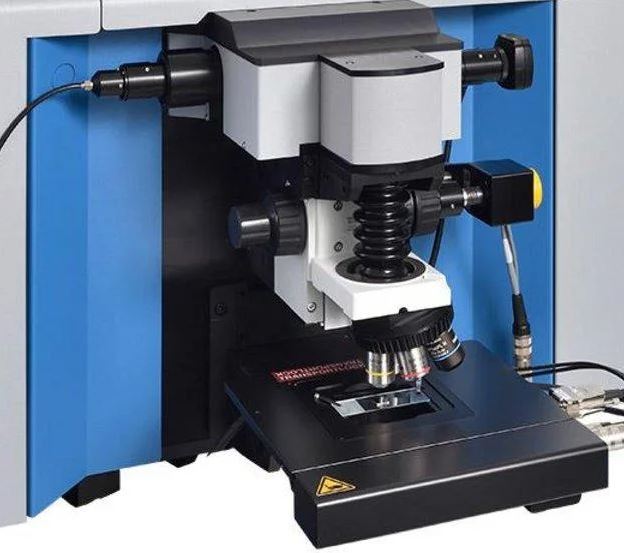
Fast AST via D₂O-tagged SERS detection
Antimicrobial susceptibility testing (AST) is critical for effective clinical intervention, as delayed diagnosis increases mortality risks. The integration of SERS with D₂O metabolic labeling offers a pathway for rapid phenotypic analysis. By monitoring isotopic shifts in bacterial spectra, this approach aims to provide resistance profiles significantly faster than traditional cultivation methods.
Plasmonics & Photonics

TiN-based CMOS-compatible Plasmonic Devices
Our research explores Titanium Nitride (TiN) as a high-performance, refractory alternative to noble metals in plasmonics. By leveraging its CMOS compatibility and thermal stability, we develop robust Surface Plasmon Polariton (SPP) waveguides that overcome traditional material losses, paving the way for efficient on-chip optical communication.
Photocatalysis based on HEA
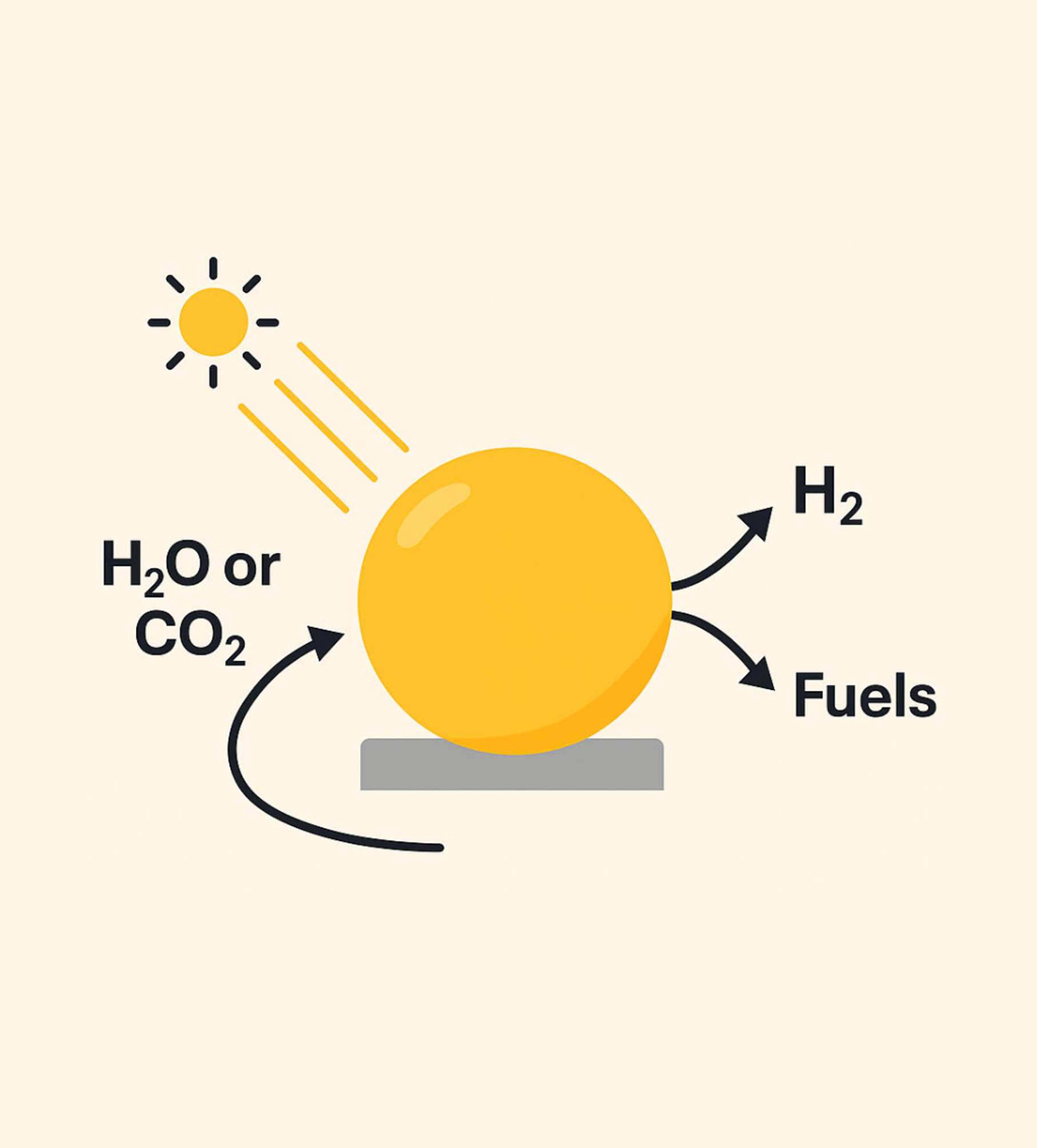
Solar to Chemical Energy Conversion
We develop designer photocatalysts that efficiently convert sunlight into chemical energy for sustainable applications. By integrating plasmonics, catalysis, and nano chemistry, we enable light-driven processes such as water splitting and CO₂ reduction. Our approach focuses on precise control of nanostructure, defects, and interfaces to optimize charge transport, light absorption, and catalytic activity. Through advanced nanofabrication and optical characterization, we tailor light matter interactions at the nanoscale. In situ spectroscopy provides real-time insights into catalytic transformations and reaction mechanisms, bridging fundamental understanding with practical performance for clean fuels, water purification, and scalable green manufacturing technologies.
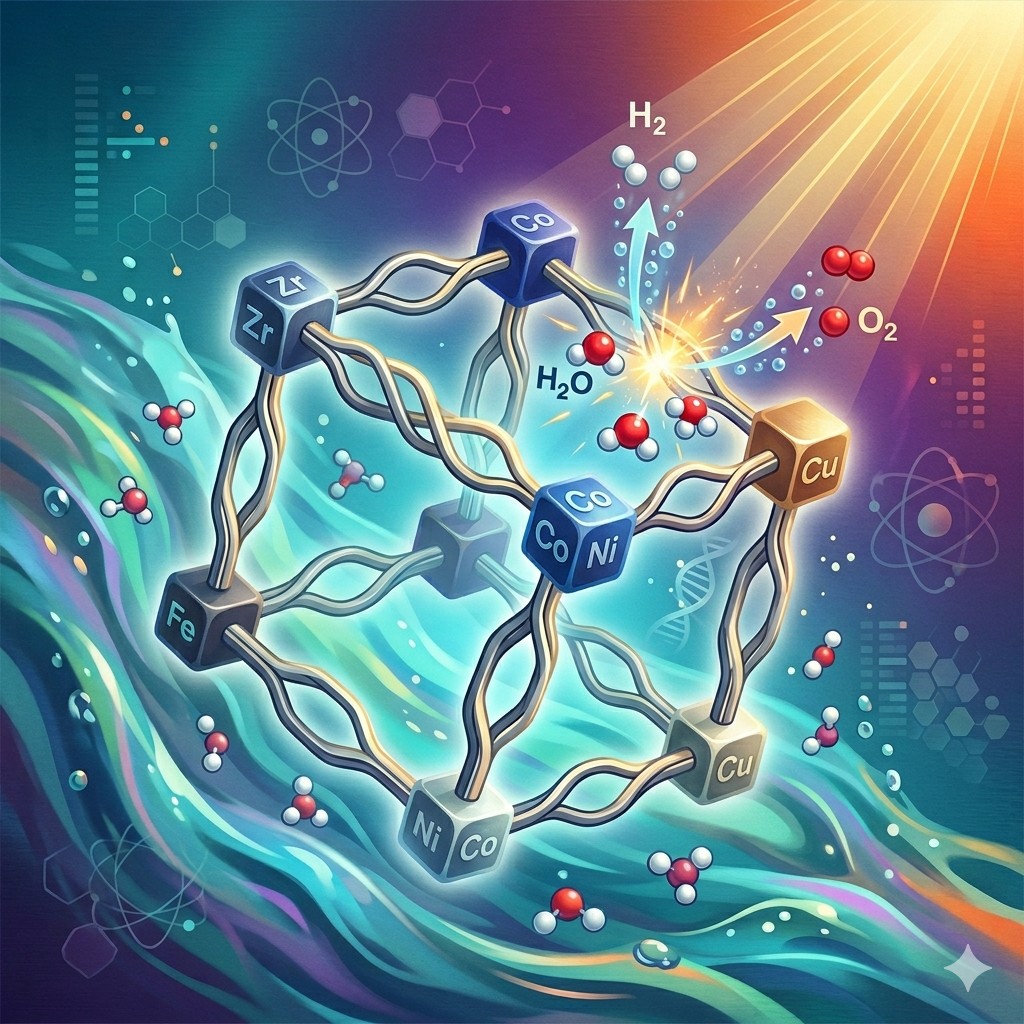
Solvothermal Synthesis of Multimetallic HEMOFs for Advanced Photocatalytic Water Splitting
This research focuses on the solvothermal synthesis of High-Entropy Metal-Organic Frameworks (HEMOFs). By integrating multiple metal nodes, we aim to enhance structural stability and electronic properties. The primary objective is to evaluate their efficiency as robust photocatalysts for water splitting, advancing sustainable hydrogen production technologies.
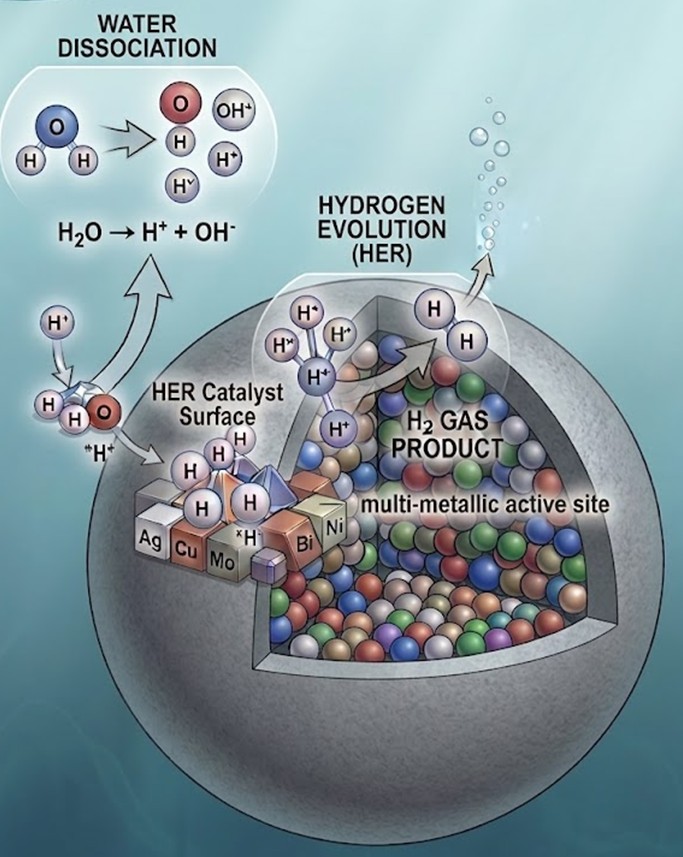
Synthesis of High-Entropy Alloys for Photocatalytic Hydrogen Production
High-Entropy Alloys (HEAs) exhibit great potential in the field of developing high-performance electrocatalysts for the Hydrogen Evolution Reaction (HER) due to their multi-principal element synergistic effects and severe lattice distortions. Utilizing a dropwise synthesis method, the reaction system is strictly maintained in a specific "steady state". This condition facilitates the synergistic deposition of metal atoms to form atomically uniform solid solution nanocrystals. This approach addresses the synthesis challenges associated with complex quinary systems and achieves precise modulation over active sites and the surface environment, thereby effectively optimizing HER electrocatalytic performance.
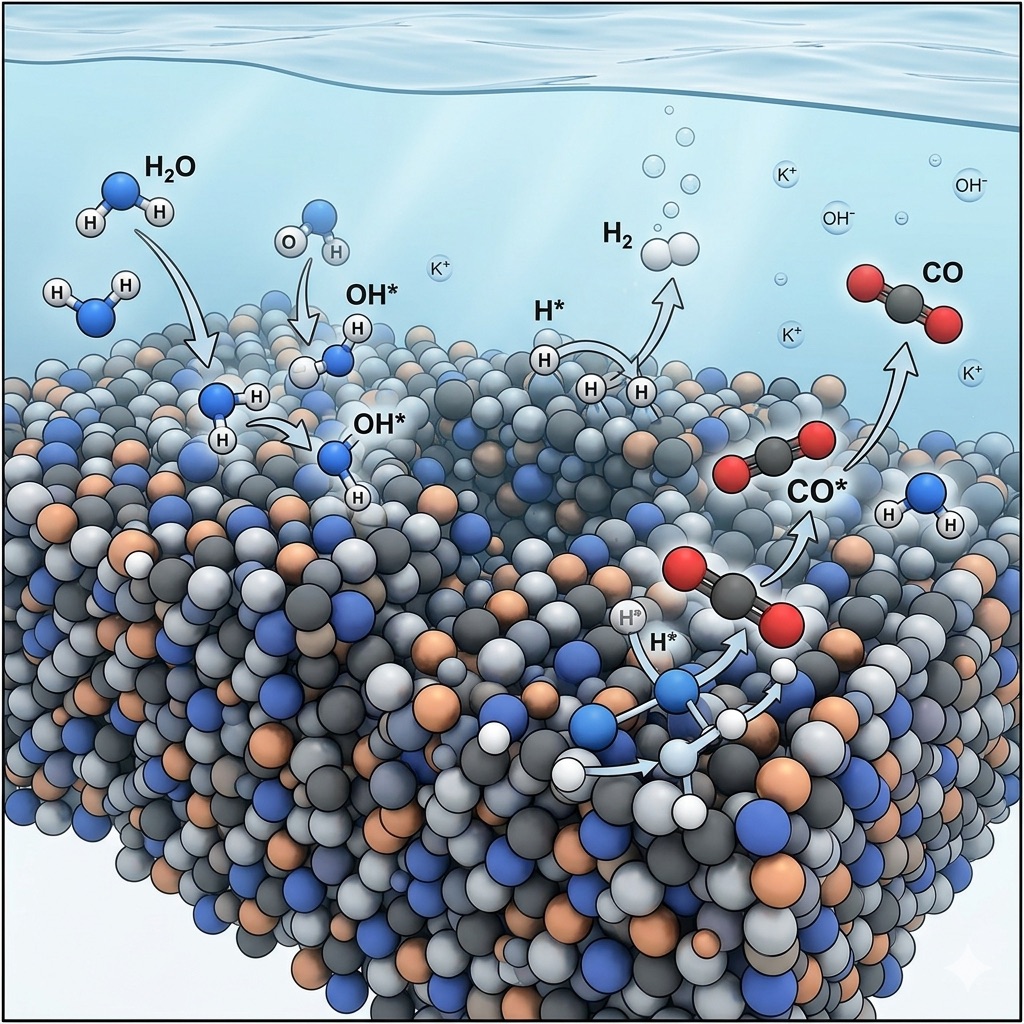
High-Entropy Alloys (HEAs) as Advanced Electrocatalysts
This research focuses on utilizing high-entropy alloys for efficient electrocatalysis. By leveraging the cocktail effect and severe lattice distortion, we tune the electronic structures and phase configurations. These unique features create abundant active sites, significantly lowering energy barriers and enhancing overall catalytic performance.
Chip cooling
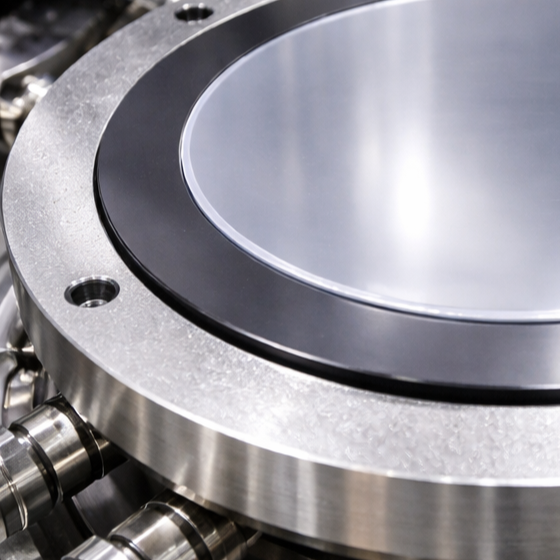
Diamond film for water cooling
In 3D ICs, the significant increase in energy density has made heat dissipation a crucial factor. However, during water cooling, water can corrode and erode the chip. Diamond, with its high thermal conductivity and excellent chemical stability, has become one of the protective media for the interface between the chip and the microchannels.